How to Evaluate a Property Before Making a Purchase
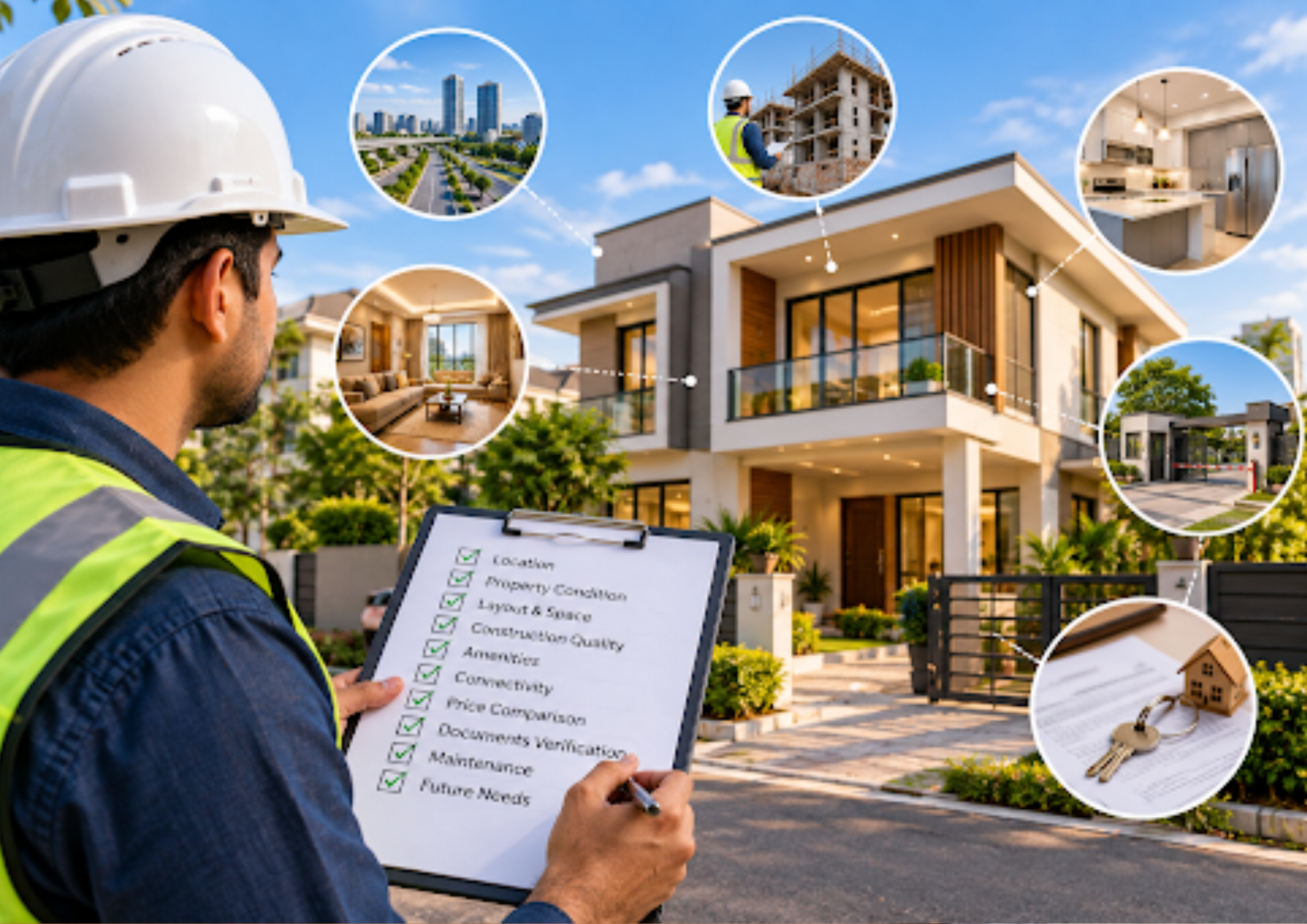
Choosing a property requires more than simply looking at its price or appearance. Buyers should evaluate different aspects of a property, including its location, construction, layout, facilities, documentation, and suitability for their requirements. A detailed evaluation can help buyers compare properties and make a well-informed decision.
Evaluate the Property Location
The location of a property affects accessibility, convenience, and future requirements. Buyers should consider roads, transportation, schools, hospitals, markets, workplaces, and other nearby facilities.
Check the Property Condition
For an existing property, buyers should inspect the overall condition of the building. Walls, flooring, roofing, doors, windows, electrical systems, and plumbing should be examined where applicable.
Review the Layout and Space
The property's layout should match the buyer's requirements. Room sizes, ventilation, natural light, parking space, storage, and overall space utilization should be considered.
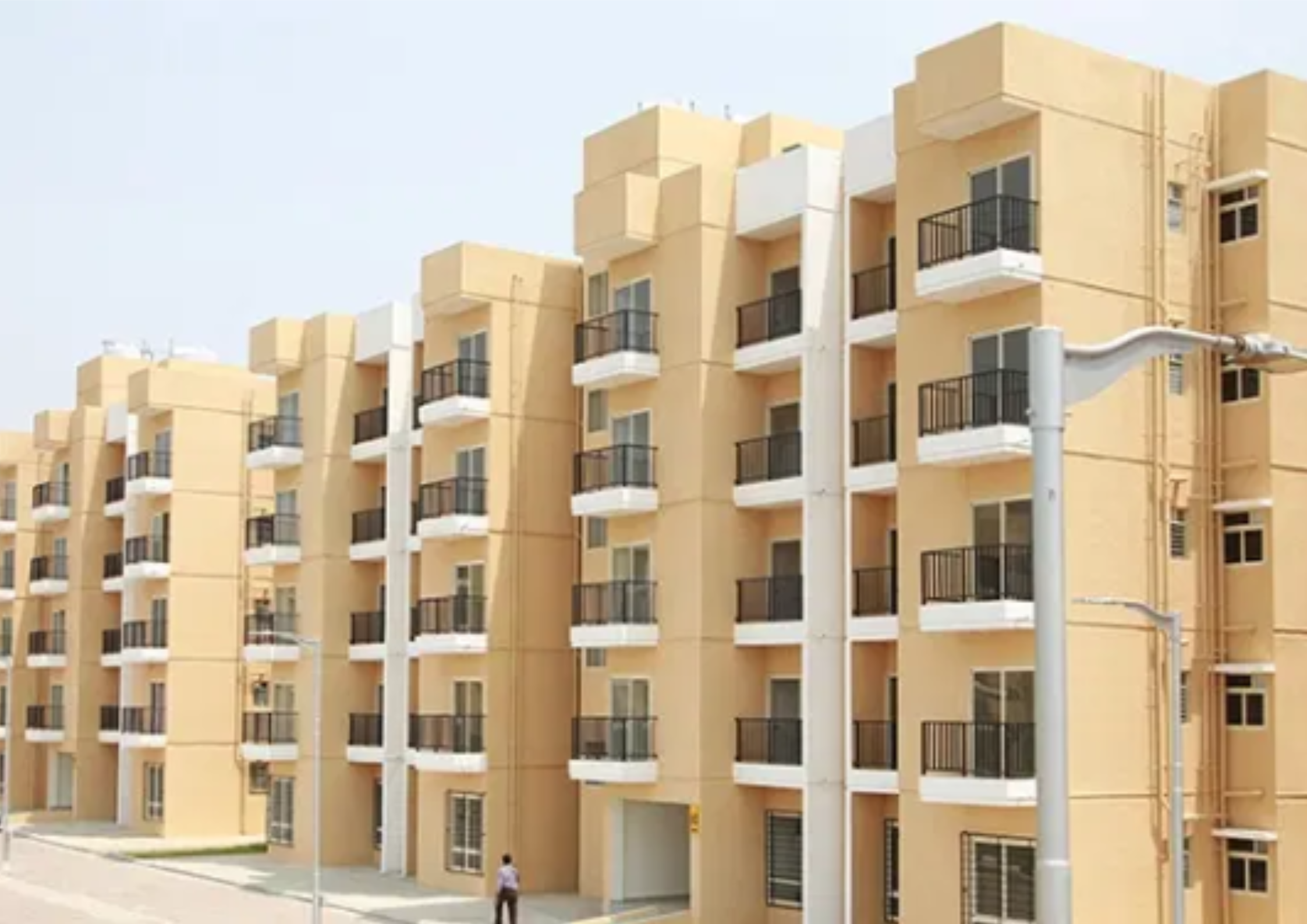
Examine Construction Quality
Construction quality can influence the property's durability and maintenance requirements. Buyers should look at the materials, structural condition, finishing, and overall workmanship of the property.
Check Available Amenities
Amenities can improve convenience and everyday living. Depending on the property, buyers may consider facilities such as parking, security, power backup, recreational areas, smart-home features, or other available services.
Consider Connectivity
Good connectivity can make daily travel easier. Buyers should check access to major roads, public transportation, workplaces, educational institutions, healthcare facilities, and commercial areas.
Compare the Property Price
The asking price should be evaluated in relation to the property's location, size, condition, facilities, and other relevant factors. Comparing similar properties can provide a better understanding of the available options.
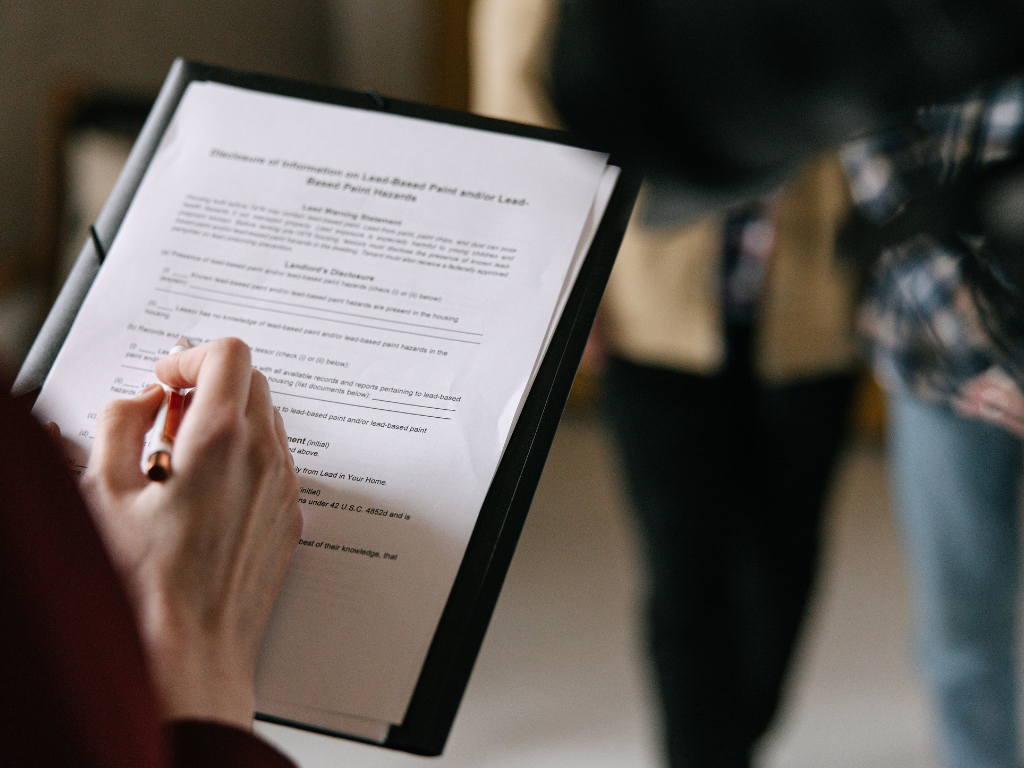
Verify Property Documents
Before making a final decision, buyers should review the relevant ownership, title, registration, tax, approval, and other applicable documents associated with the property.
Consider Maintenance Requirements
Buyers should understand the expected maintenance requirements of the property. Older properties or properties with extensive facilities may require different levels of regular upkeep.
Check Suitability for Future Needs
A property should ideally meet both current and foreseeable requirements. Buyers should consider family size, lifestyle, accessibility, future plans, and the potential usefulness of the property over time.
Conclusion
Evaluating a property carefully can help buyers understand whether it matches their requirements and budget. Location, construction quality, layout, amenities, connectivity, price, documentation, maintenance, and future suitability are important factors to consider before making a property purchase.